EDvance Teaching Intensives at Dawson Park Primary School
The EDvance Teaching Intensives provides the opportunity for teachers to develop and practice high impact instruction strategies. Since the intensives began in 2018, more than 500 teachers have benefitted from the week-long program. With a growing appetite for high impact instruction in secondary schools, 2021 was the first year secondary teachers joined the program. The total group comprising of more than 100 early childhood, primary and secondary teachers.
Another unique component of the Teaching Intensive is the opportunity for the teachers to develop their new skills by practising with ‘real’ students. In 2021, over 80 Dawson Park Primary School students were keen participants and returned to the classroom during their school holidays, to assist in the professional development program.
Georgie Wynne, Fogarty EDvance Program Director highlights the approach taken for participants to improve their teaching practice, is well supported by research where “95% of teachers transfer new skills to their teaching practice after receiving ongoing coaching, feedback and support.”
“There is also significant evidence to support the successful application of high impact instruction, particularly for students from disadvantaged communities. Many practitioners are keen to develop skills in this area as part of their ‘toolkit’ for successful teaching.”
“The teaching intensive program provides teachers with a deeper understanding of this evidence-based approach and hands-on experience in the delivery of high impact instruction. This is supported by lesson demonstrations and individualised coaching from expert leaders in the field.”
The Fogarty Foundation established the EDvance Teaching Intensives to encourage teachers to adopt high impact instructional practices for the improved educational outcomes of West Australian students and works in partnership with Dawson Park Primary School, Dr Lorraine Hammond Associate Professor from Edith Cowan University and Brooke Wardana, an early years literacy expert. These experts are instrumental in the program design and delivery and are supported by a group of expert teachers in the delivery of lesson demonstrations, coaching, the provision of teaching resources and individualised support.
Dr Hammond said that teachers who follow an explicit or high impact instruction approach, demonstrate and model everything; from blending sounds together to decode words, to writing a complex sentence with figurative language.
“While some students achieve success quickly, others need far more opportunities for practice,” Dr Hammond said.
“Teachers who follow an explicit instruction approach provide daily reviews of previously learned knowledge and skills so they become automatic; they can then be applied to more complex tasks such as reading or writing a short story.
“Critics of explicit instruction typically argue it is a deficit model that sees students sitting passively in rows all day engaging in rote learning. This is a misunderstanding of explicit instruction, which when done properly, is engaging, and rarely done for extended periods of time.”
Annie Fogarty, Chairperson of the Fogarty Foundation, said the Foundation was committed to identifying, supporting and developing programs that deliver educational opportunities with wide impact.
“By investing in teachers, school leaders and school principals, we hope to inspire excellence and high-quality instruction in schools and improve educational outcomes for all West Australian students,” she said.
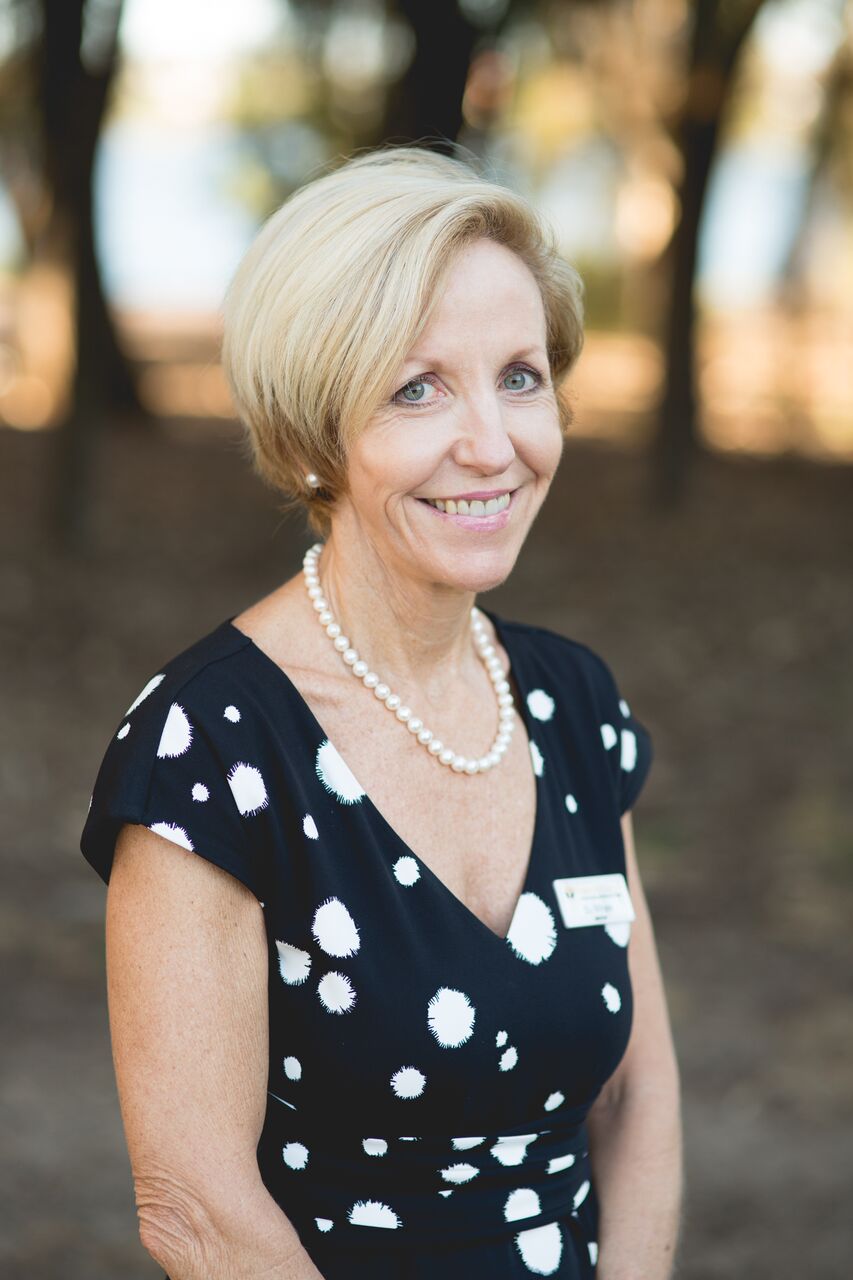
The Fogarty EDvance mentors are regularly described as the ‘gold’ in the Fogarty EDvance School Improvement Program.
Su Wilson has been an integral part of the mentor team for six years, working with nine schools since 2013. We spoke with Su about becoming a Fogarty EDvance mentor and the benefits for schools who are part of the program.
How did you become involved with the Fogarty EDvance program?
To lead a school takes commitment and passion, which makes it difficult to simply walk away. When I retired late in 2013, I was fortunate to join Pauline Coghlan and Peter Holcz in designing and delivering a program to train school leaders on school improvement. Through this role and the role of an Independent Public School (IPS) Reviewer, I learned about the work of the team at Fogarty EDvance, so was delighted when I was invited to join an extremely capable and experienced group of mentors.
Tell us about the schools you have worked with.
I have had the pleasure of mentoring leadership teams from Balga and Roseworth Primary Schools in Cohort 3; and Koorana and Orelia Primary Schools in Cohort 4. I currently work with leaders at Tom Price and North Tom Price Primary Schools in Cohort 6; and Lakelands Primary School and Endeavour Schools, encompassing Endeavour PS and Endeavour Ed Support Centre, in Cohort 7.
All schools have focussed, hard-working leadership teams who have shown total commitment to whole-school implementation of the Fogarty EDvance program in striving for improvements in practice.
Upon entering the program, each school analysed data, and accessed program tools to gather information about their school . This meant that their planning for improvement related specifically to their own needs, with initiatives and strategies for intervention driven by evidence and current research.
High performing schools worldwide recognise that improving the effectiveness of teaching will lift student outcomes and school performance. Each school with which I have worked has focussed on ensuring there is consistent, high quality teaching in every classroom.
The varying experience of teachers in their respective schools and the degree to which they are willing to change their teaching practice, also has implications for planning for improvement. While having low SES may impact on learning, behaviour and attendance, regional schools also have the added complexity of transient staff.
The team at Fogarty EDvance recognises that the ‘one size fits all’ approach does not work. What does work is exposing school leaders to research, tools for gathering evidence, guidance in developing a three-year plan for improvement and support in leading changes in teaching practice.
Can you describe a highlight of your experiences with the Fogarty EDvance team.
Highlights are many, but nothing can compete with the moment when school leaders and their staff see the positive outcomes of changes implemented, particularly when they showcase improvements in student performance.
For myself, I love witnessing changes in the practice of teachers, particularly those who may have previously been adverse to changing long standing behaviours.
What do you think are the 3 most valuable things schools gain from being part of the FED program?
I’m really not sure about narrowing the list to three but if I must:
1. Exposure to high quality research, professional development and evidence-based planning using a template with proven success.
2. Access to tools to measure organisational health, gather feedback from stakeholders, intensify the impact of decision-making and foster teamwork and collaboration.
3. Ongoing support from a mentor who is committed to providing guidance and support.
Is there something you know now that you wish you had known when you were working as a school leader?
As a mentor I consciously seek out current research on school leadership and school improvement, with particular emphasis on developing a culture of collaborative practice and professional growth.
As a school leader I worked with staff to plan for improvement and allocated my budget to resource our plan with a primary focus on the professional growth of my staff.
In retrospect, I now believe in the need to allocate funding (and time) to support my own professional growth and that of other leaders within my school.
Programs like Fogarty EDvance have a single focus, that of supporting school leaders to design and implement a whole school improvement strategy to increase their school’s overall effectiveness.
I now know that working with a team of people, whose focus is on supporting schools on their journey of improvement, would help focus resourcing decisions and ensure staff received targeted professional development and support to effect change.
What would you say to school leaders considering joining the Fogarty EDvance School Improvement Program?
The core business of every school is to provide the best possible learning opportunities for their students, therefore every school has the potential to improve.
I believe school leaders who are hesitant about joining the program shouldn’t be weighing up their potential to lead the improvement they are seeking without support, but acknowledge their involvement with Fogarty EDvance as an opportunity to have an even greater impact, not only until the end of the three-year program, but beyond.